
The Symptoms of Menopause

How to Recognize them and Manage Them Naturally
If you’ve been wondering whether those unexpected moments of feeling like you’re standing too close to a campfire, the sleepless nights that leave you staring at the ceiling, or the sudden emotional waves that seem to come from nowhere might be connected to something bigger, you’re not alone. Millions of women navigate this transformative chapter of life each year, often feeling uncertain about what’s happening to their bodies and wondering if what they’re experiencing is “normal.” The truth is, menopause is one of the most natural transitions a woman’s body will ever go through, yet it remains shrouded in mystery and misinformation. Understanding what’s happening and knowing you have the power to support yourself naturally through this journey can transform what feels overwhelming into an opportunity for deeper self-care and renewed vitality.
Recognizing the Signs: Your Body’s Natural Transition
Menopause doesn’t announce itself with a single, clear signal. Instead, it whispers through a collection of changes that can begin years before your final menstrual period. This phase, known as perimenopause, is when your ovaries gradually produce less estrogen, creating a cascade of adjustments throughout your body.
The most recognizable sign is often changes in your menstrual cycle. You might notice your periods becoming shorter or longer, lighter or surprisingly heavy, or arriving at unpredictable intervals. These changes can span several years as your body slowly transitions away from its reproductive phase.
Hot flashes affect up to 75% of women during menopause, though they manifest differently for everyone. Some women experience a gentle warmth that passes quickly, while others feel an intense heat that seems to radiate from their core, often accompanied by sweating and sometimes followed by chills. These episodes can occur during the day or disrupt your sleep as night sweats, leaving you feeling exhausted and frustrated.
Sleep disturbances extend beyond night sweats. Many women find themselves lying awake with racing thoughts, experiencing anxiety that feels unfamiliar, or waking frequently throughout the night. This lack of quality rest can intensify other symptoms and leave you feeling emotionally vulnerable.

Speaking of emotions, the hormonal fluctuations of menopause can create mood changes that feel confusing and sometimes alarming. You might find yourself more irritable over small things, experiencing waves of sadness without clear cause, or feeling anxious about situations that previously didn’t concern you. These emotional shifts are valid responses to very real hormonal changes happening in your body.
Physical changes also emerge during this transition. Vaginal dryness can make intimacy uncomfortable, while changes in your pelvic floor muscles might lead to occasional bladder issues or increased susceptibility to urinary tract infections. Many women notice what’s often called “brain fog,” which includes memory lapses, difficulty concentrating, or feeling mentally fatigued even after adequate rest.
Your body may also experience tender breasts, more frequent headaches, joint and muscle aches, changes in your skin’s texture or sensitivity, and weight gain, particularly around your midsection. Some women report unique sensations like formication (feeling as though something is crawling on their skin), changes in body odor, or even tinnitus (ringing in the ears).
Distinguishing Menopause from Other Health Concerns
While menopause is a natural process, it’s important to recognize when symptoms might indicate other health conditions. Menopause typically occurs between ages 45 and 55, so experiencing these symptoms significantly earlier or later might warrant medical investigation.
The key distinguishing factor is the constellation of symptoms occurring together alongside menstrual changes. Thyroid disorders can mimic many menopausal symptoms, including mood changes, sleep disturbances, and temperature regulation issues, but they often occur without the menstrual irregularities characteristic of menopause. Similarly, conditions like PCOS or other hormonal imbalances might cause some overlapping symptoms but typically present differently.
If you’re experiencing neurological symptoms like persistent vision problems, balance issues, or ongoing numbness, these are less commonly associated with menopause alone and deserve medical attention to rule out other conditions.
Embracing Natural Management Strategies
The beautiful truth about menopause is that your body responds wonderfully to gentle, natural support. Rather than simply enduring this transition, you can actively participate in managing your symptoms through thoughtful lifestyle choices and holistic approaches.

Movement as Medicine
Regular physical activity serves as one of your most powerful allies during menopause. Exercise doesn’t need to be intense or complicated to be effective. A daily walk outdoors provides gentle cardiovascular benefits while exposing you to natural light that supports healthy sleep cycles. Swimming offers low-impact movement that’s kind to joints while providing excellent cardiovascular and strength benefits.
Strength training becomes particularly important during menopause as declining estrogen levels can affect bone density. Simple resistance exercises using your body weight or light weights can help maintain muscle mass and bone strength. Yoga and tai chi offer the additional benefits of stress reduction and improved flexibility while gently challenging your balance and coordination.
Nourishing Your Changing Body
Your nutritional needs evolve during menopause, and supporting your body with the right foods can significantly impact how you feel. Calcium and vitamin D become crucial for maintaining bone health, but they’re best absorbed from food sources when possible. Dark leafy greens, sardines, almonds, and fortified plant-based milks provide excellent calcium, while vitamin D can be obtained through moderate sun exposure and foods like fatty fish and egg yolks.
Phytoestrogen-rich foods deserve special attention during menopause. These plant compounds can gently support your body’s hormonal balance. Soy products like edamame, tofu, and tempeh provide isoflavones, while ground flaxseeds offer lignans that may help moderate hot flashes. Red clover, chickpeas, lentils, and other legumes also contribute beneficial plant estrogens to your diet.
Focusing on whole, unprocessed foods provides your body with the nutrients it needs while avoiding the blood sugar spikes that can worsen mood swings and energy fluctuations. Staying well-hydrated supports your body’s temperature regulation and can help manage bloating and digestive issues.
Herbal and Supplement Support
Nature offers several gentle remedies that many women find helpful during menopause. However, it’s essential to approach these options thoughtfully and with professional guidance.
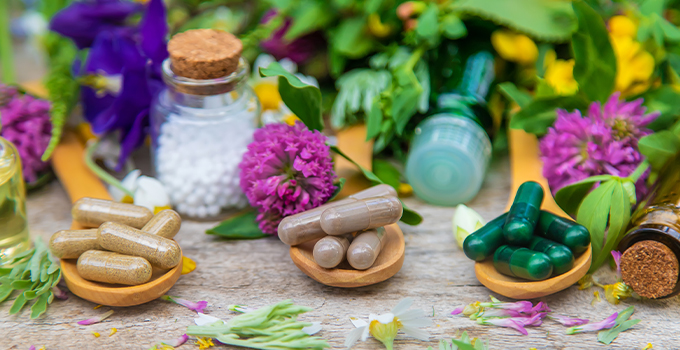
Black cohosh has been extensively studied for menopause support and may help reduce the frequency and intensity of hot flashes for some women. It’s believed to work by influencing serotonin receptors in the brain rather than directly affecting hormones. Most research suggests taking 20-40mg daily, though individual responses vary. Some women notice improvements within a few weeks, while others may need several months to experience benefits.
Red clover contains isoflavones similar to those found in soy and may offer mild relief from hot flashes and support cardiovascular health during menopause. It’s available as a supplement or can be enjoyed as a pleasant-tasting tea. However, red clover can interact with blood-thinning medications, so medical consultation is important.
Evening primrose oil provides gamma-linolenic acid (GLA), an omega-6 fatty acid that may help with breast tenderness and potentially reduce hot flash intensity. Some women find it particularly helpful for skin changes that occur during menopause. The typical dosage ranges from 500-1300mg daily, and benefits may take several months to become apparent.
Maca root, a Peruvian plant, has gained attention for its potential to improve energy levels and mood during menopause without directly affecting hormone levels. It’s rich in amino acids, vitamins, and minerals that support overall vitality. Start with small amounts (1-2 grams daily) as some people are sensitive to its energizing effects.
St. John’s wort has shown promise for managing the mood changes associated with menopause, particularly mild depression and anxiety. However, this herb interacts with numerous medications, including birth control pills, blood thinners, and many prescription drugs, making professional guidance essential.
Ground flaxseed deserves special mention as it’s both a food and a therapeutic tool. Rich in lignans and omega-3 fatty acids, flaxseed may help balance hormones and support heart health. Start with one tablespoon daily, ground fresh to preserve its beneficial oils, and gradually increase to two tablespoons if well-tolerated.
When considering any herbal remedy, remember that natural doesn’t automatically mean safe for everyone. Herbs can interact with medications, affect existing health conditions, and cause side effects in some individuals. Working with a knowledgeable healthcare provider ensures you’re choosing options that complement your overall health picture.
Stress Management and Emotional Well-being
The emotional aspects of menopause deserve as much attention as the physical symptoms. This transition occurs during a life stage when many women are managing multiple responsibilities, making stress management crucial for overall well-being.
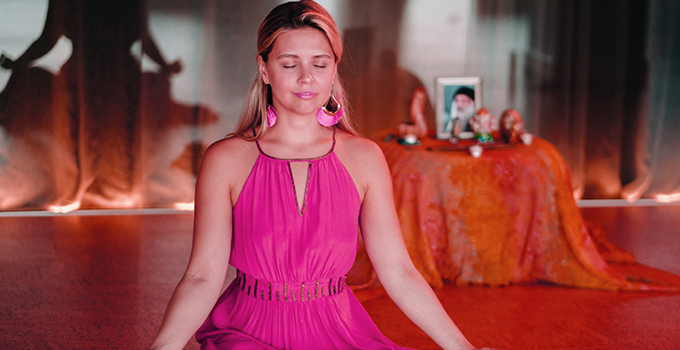
Mindfulness meditation, even just 10-15 minutes daily, can significantly impact how you experience menopausal symptoms. Research shows that mindfulness practices can reduce the distress associated with hot flashes and improve sleep quality. Simple breathing exercises, body scan meditations, or guided imagery can help you develop a calmer relationship with the changes you’re experiencing.
Creating consistent sleep routines becomes particularly important during menopause. Your bedroom should be cool, dark, and comfortable. Consider breathable sleepwear and bedding, and keep a fan nearby for hot flash relief. Avoiding screens and caffeine in the evening supports your body’s natural sleep preparation processes.
Building Your Support Network
Menopause doesn’t have to be a solitary journey. Connecting with other women going through similar experiences can provide validation, practical tips, and emotional support. Whether through formal support groups, online communities, or conversations with friends, sharing your experiences can reduce feelings of isolation and provide valuable insights.
Consider working with healthcare providers who understand the complexity of menopause and respect your desire for natural management options. This might include integrative medicine doctors, naturopaths, or wellness coaches who can provide personalized guidance based on your unique situation.
When Professional Guidance is Essential
While natural approaches can be incredibly effective, certain situations warrant professional medical evaluation. If your symptoms are severely disrupting your daily life, preventing you from working or enjoying activities, or causing significant distress, don’t hesitate to seek support.
Sudden onset of symptoms without menstrual changes, particularly if you’re outside the typical age range for menopause, should be investigated. Similarly, neurological symptoms like persistent vision changes, balance problems, or ongoing numbness are less commonly associated with menopause and may indicate other conditions requiring attention.
Your Journey Forward: Embracing This New Chapter
Menopause represents far more than the end of your reproductive years. It’s an opportunity to deepen your relationship with your body, prioritize your well-being, and step into a new phase of life with wisdom and intention. The symptoms you’re experiencing are your body’s way of communicating during this significant transition, and responding with compassion and natural support can transform this experience.
Remember that every woman’s menopause journey is unique. What works beautifully for one person might not be the right approach for another, and that’s perfectly normal. Be patient with yourself as you discover what supports you best, and don’t hesitate to adjust your approach as your needs change.
As you move through this transition, consider these gentle challenges to support your emotional and physical well-being:
Practice Daily Gratitude: Each morning, identify three things about your body or life for which you’re grateful. This simple practice can shift your perspective from focusing on discomfort to appreciating your body’s incredible resilience and the wisdom this life stage brings.
Create a Mindful Movement Practice: Choose one form of movement that brings you joy and commit to it for just 15 minutes daily. Whether it’s dancing in your living room, gentle stretching, or walking in nature, let this become a sacred time for connecting with your body with kindness rather than criticism.
Establish a Nourishing Evening Ritual: Design a 30-minute evening routine that signals to your body and mind that it’s time to transition toward rest. This might include gentle stretching, journaling, herbal tea, or simply sitting quietly and breathing deeply. Make this time non-negotiable, a gift you give yourself each day.
Connect with Your Community: Reach out to one woman in your life each week to share honestly about your experiences. Whether it’s a phone call with a friend, joining a support group, or having coffee with a neighbor, these connections remind you that you’re not alone in this journey.
The path through menopause is not about returning to who you were before, but rather about discovering who you’re becoming. With patience, self-compassion, and the right natural support strategies, you can navigate this transition with grace and emerge feeling more connected to your authentic self than ever before. Trust in your body’s wisdom, embrace the support available to you, and remember that this chapter of your life can be one of your most empowering yet.